Introduction
Building the digital infrastructure for precision medicine, AI-enabled healthcare, and interoperable clinical genomics
Modern medicine is rapidly becoming a data-driven discipline. Genomic sequencing, electronic health records (EHRs), imaging systems, laboratory diagnostics, wearable technologies, and artificial intelligence are now generating unprecedented volumes of biological and clinical information. However, the true potential of precision medicine depends not simply on producing this data, but on connecting it across interoperable systems capable of supporting real-world clinical care.
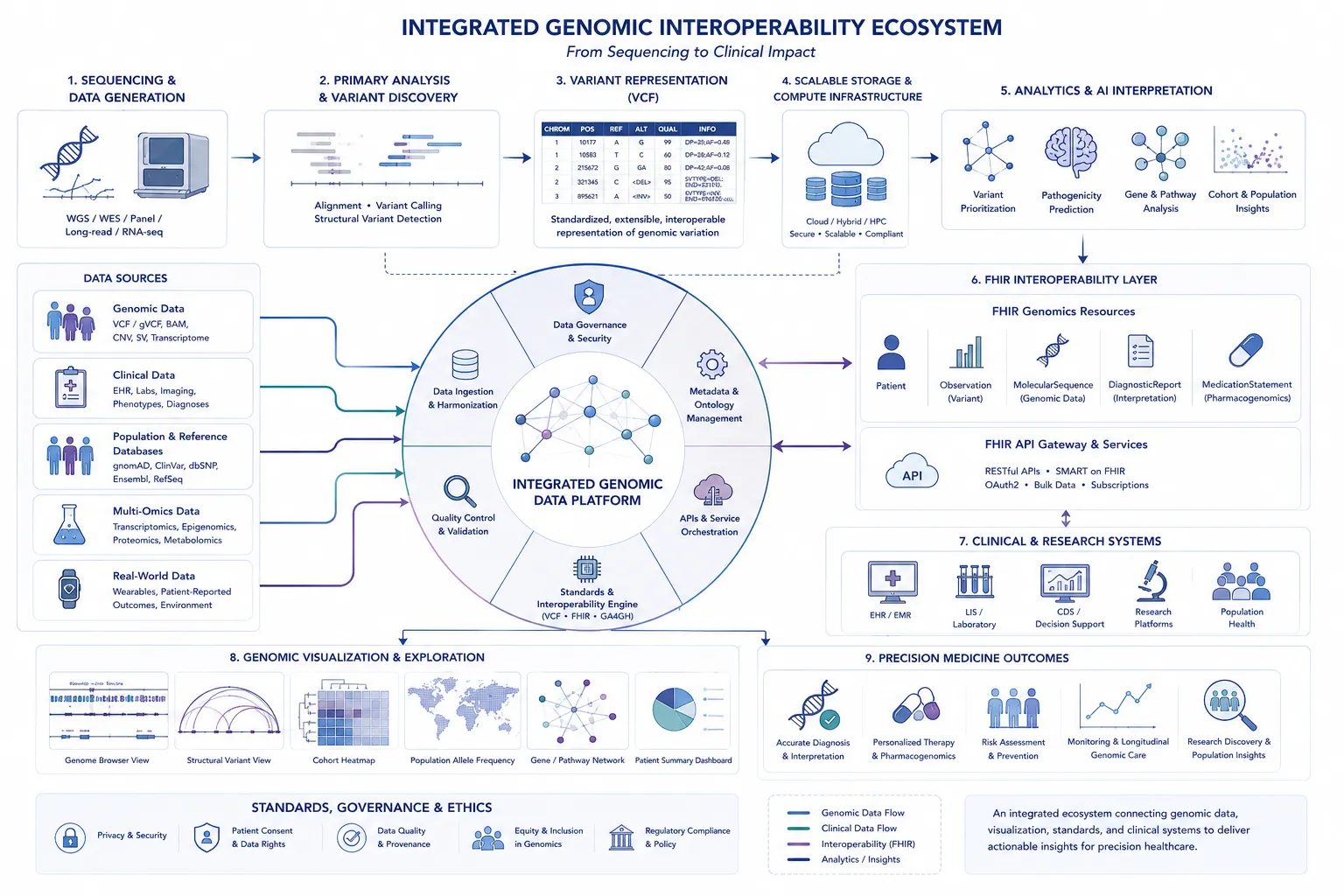
This emerging infrastructure can be described as an Integrated Genomic Interoperability Ecosystem — a connected framework that enables genomic, clinical, and multi-omics data to move seamlessly between sequencing laboratories, healthcare systems, analytical platforms, and AI-driven decision support environments.
The Convergence of Genomics, Clinical Data, and AI
Over the past decade, genomic medicine has expanded far beyond research laboratories. Whole-genome sequencing, pharmacogenomics, liquid biopsy technologies, transcriptomics, and population genomics are increasingly entering routine healthcare. At the same time, healthcare systems are adopting cloud computing, interoperable APIs, multimodal AI models, and advanced clinical analytics. These developments are beginning to converge into a new computational foundation for precision medicine.
This convergence is reshaping how disease is understood, diagnosed, and managed. Healthcare is moving toward integrated systems in which molecular information, longitudinal clinical records, and AI-driven analytics collectively inform clinical decision-making and therapeutic strategy.
Why Genomic Interoperability Matters
Despite major advances in sequencing technologies and computational medicine, genomic data remains fragmented across incompatible systems, heterogeneous standards, and disconnected analytical environments. Many healthcare systems still struggle to integrate sequencing results into everyday clinical workflows in a scalable, interpretable, and clinically actionable manner.
Interoperability has therefore become one of the defining technical and clinical challenges of modern healthcare infrastructure. Standards such as HL7 FHIR, GA4GH frameworks, VCF-based genomic representation systems, and cloud-native genomic architectures are increasingly helping address this challenge by creating shared methods for genomic data exchange and clinical integration.
These technologies support not only genomic interpretation, but also pharmacogenomics, precision oncology, rare disease diagnosis, population-scale analytics, and AI-assisted clinical decision-making.
Beyond Genomics: The Rise of Multimodal Precision Medicine
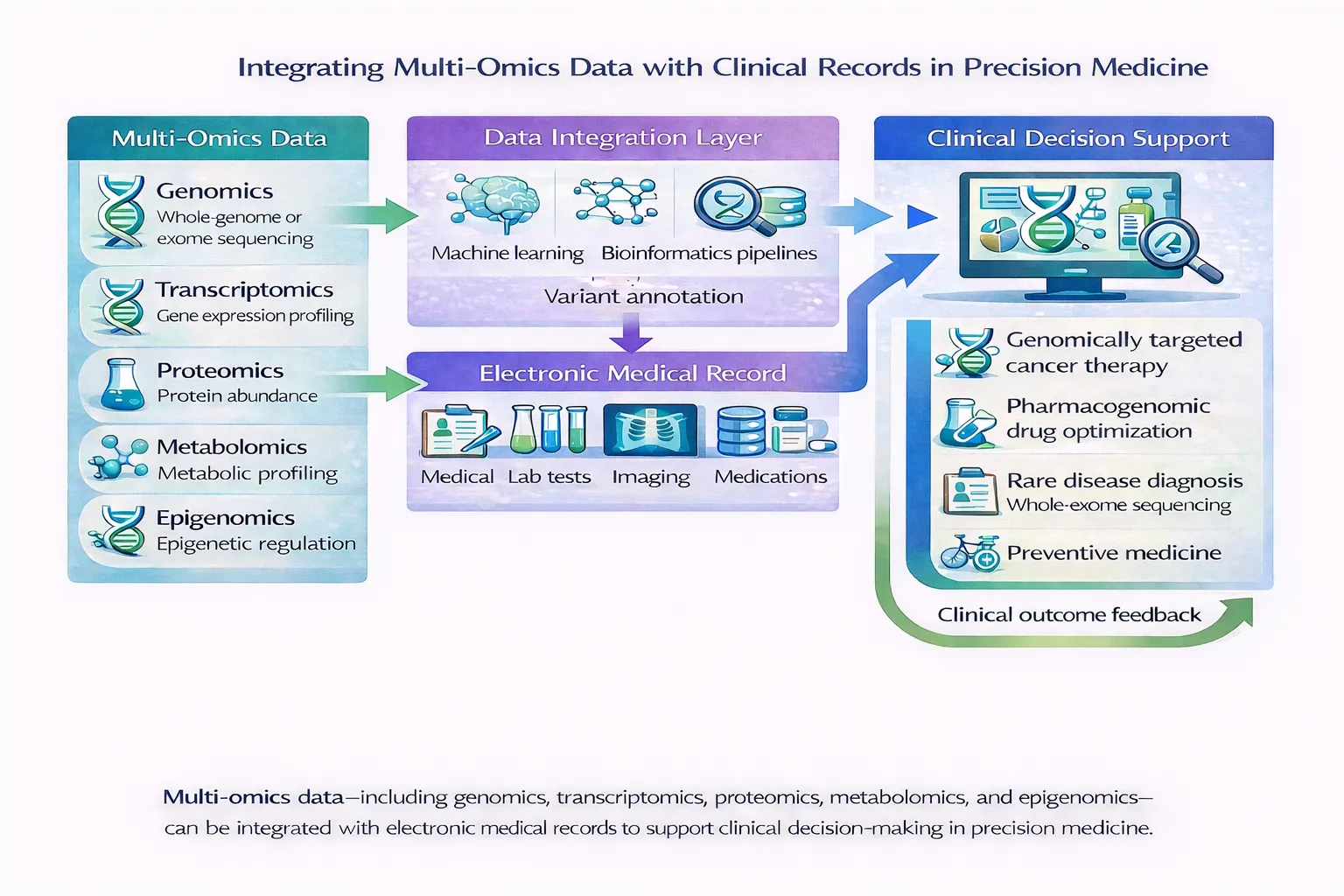
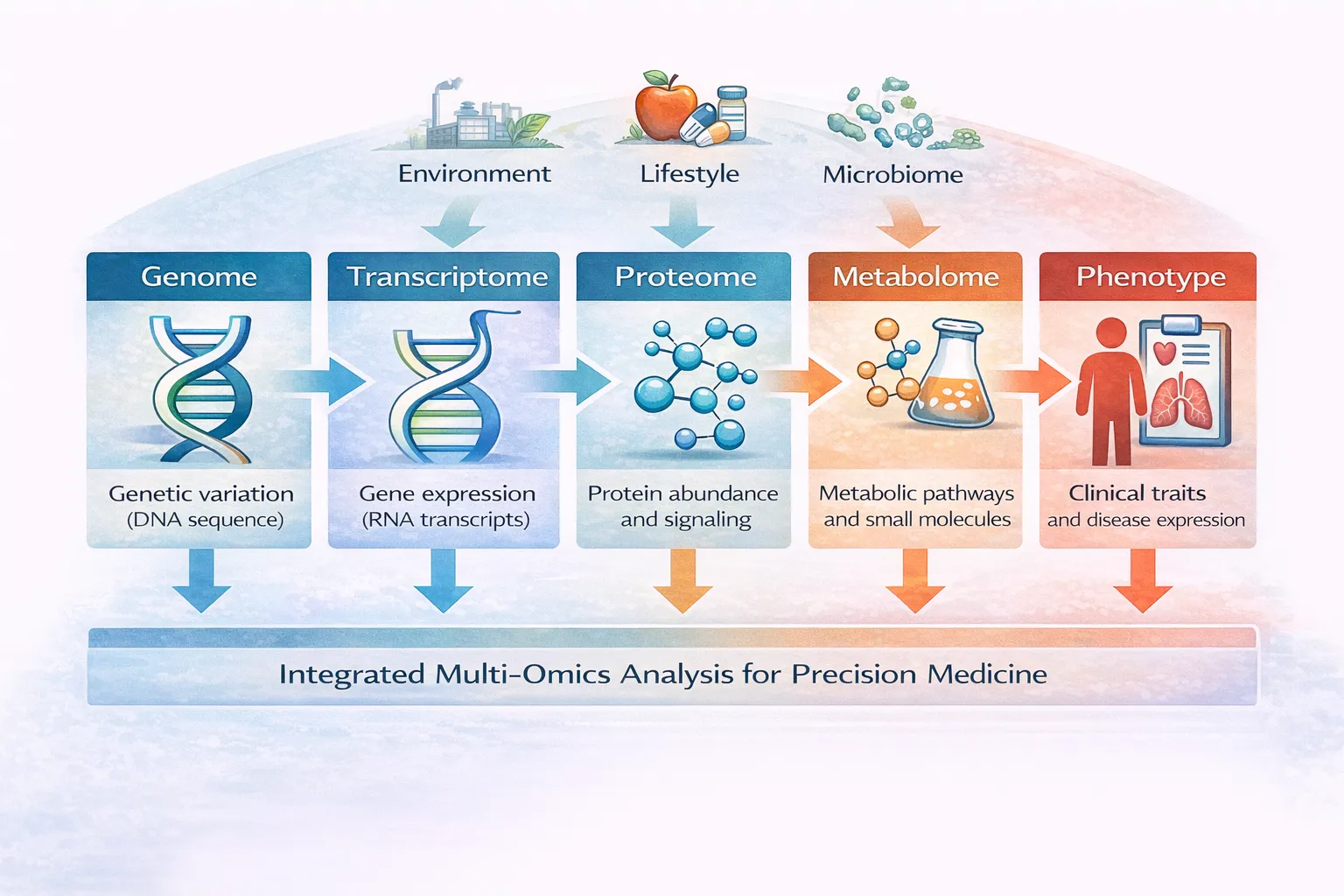
The future of genomic interoperability extends well beyond DNA sequencing alone. Precision medicine is increasingly becoming multimodal, integrating transcriptomics, proteomics, imaging, pathology, wearable data, and longitudinal EHR records into unified patient representation models.
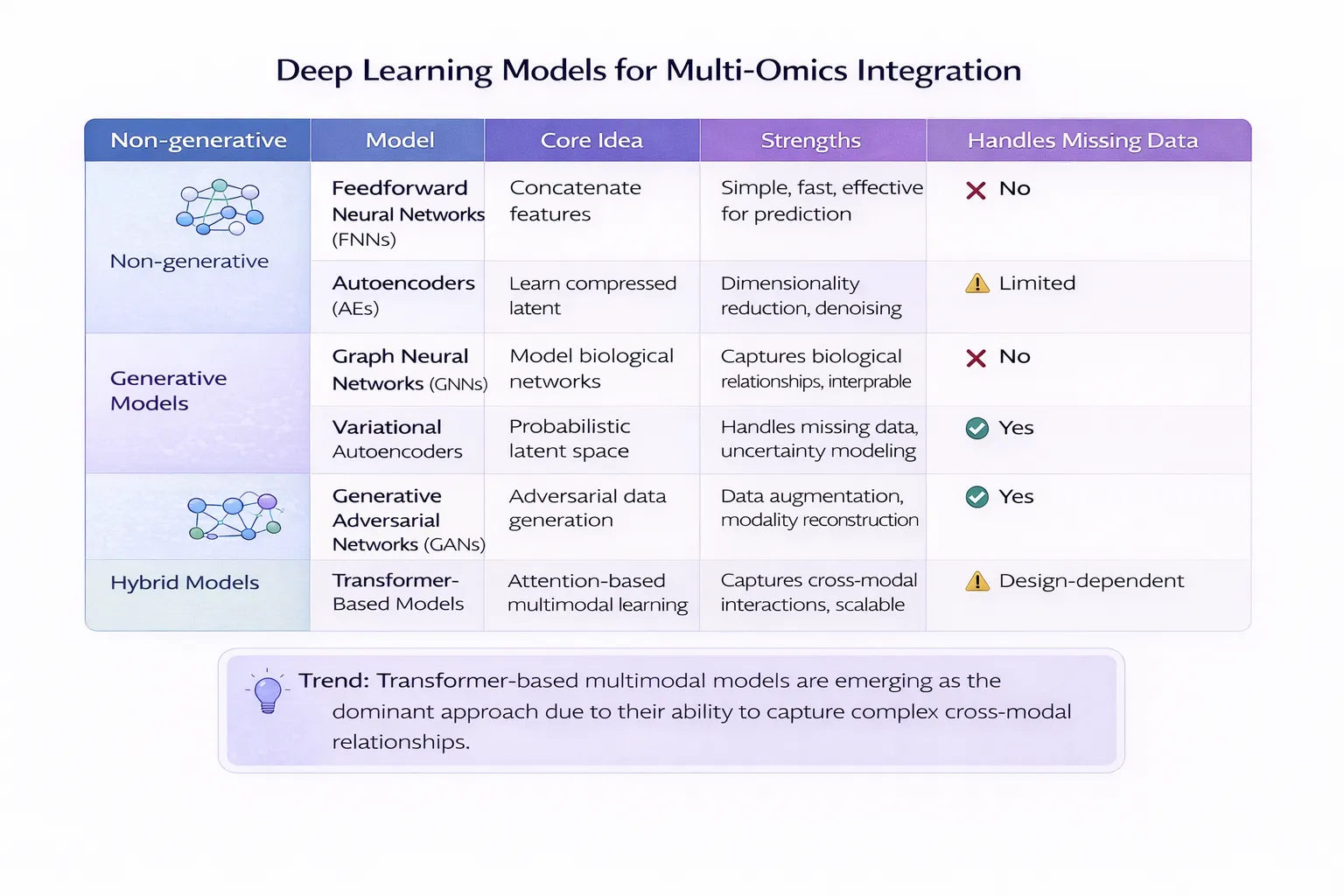
Emerging AI foundation models are accelerating this transition by enabling large-scale integration of biological and clinical data into shared computational frameworks. These systems are beginning to support advanced applications such as disease trajectory prediction, precision therapeutics, multimodal diagnostics, and real-time clinical decision support.
As a result, interoperability is evolving from a technical requirement into a foundational layer for next-generation precision healthcare systems.
What This Series Explores
The Integrated Genomic Interoperability Ecosystem series examines the technologies, standards, architectures, and clinical systems driving this transformation. Across the series, we explore how genomics infrastructure is evolving to support scalable precision medicine, interoperable healthcare systems, AI-assisted diagnostics, and advanced clinical analytics.
Topics throughout the series include:
- genomic interoperability standards,
- FHIR genomics,
- variant representation systems,
- genomic visualization frameworks,
- multimodal AI,
- cloud-native genomics infrastructure,
- population genomics,
- pharmacogenomics,
- and the emerging architecture of AI-enabled precision healthcare systems.
The series is designed for clinicians, researchers, healthcare organizations, bioinformaticians, digital health teams, and technology developers working across the rapidly evolving landscape of computational and precision medicine.
The Future of Interoperable Precision Medicine
Healthcare is increasingly evolving toward continuous, data-centric, genomics-enabled models of care. Future precision medicine systems will likely depend on interoperable infrastructures capable of integrating genomics, clinical data, multi-omics profiling, imaging, and AI-driven analytics into unified healthcare ecosystems.
Understanding how these systems are designed, integrated, and operationalized will become essential for delivering scalable and clinically actionable precision medicine in the coming decade.
The Integrated Genomic Interoperability Ecosystem represents not only a technological transition, but also a broader transformation in how medicine itself is practiced, interpreted, and delivered.
Explore the Series
- Understanding HL7 FHIR Genomics
- GA4GH Standards in Precision Medicine
- Graph Genomes and Pangenomic Infrastructure
- Multimodal Foundation Models for Precision Medicine
- AI-Assisted Variant Interpretation Platforms
- Pharmacogenomics Decision Support Systems
- Digital Twins in Precision Healthcare
- Privacy-Preserving Genomic Computation
- Cloud-Native Genomics Platforms
- The Genomic Hospital of the Future