Introduction
Integrating genomic medicine, real-world evidence, and advanced pharmacovigilance to prevent adverse drug reactions and personalize therapeutics
Modern therapeutics has dramatically improved the treatment of infectious diseases, cancer, cardiovascular disorders, autoimmune conditions, and rare genetic diseases. However, adverse drug reactions (ADRs) remain one of the most significant and persistent causes of morbidity, hospitalization, healthcare expenditure, and preventable mortality worldwide. Traditional drug safety systems have historically relied on post-marketing surveillance and population-level monitoring to detect safety signals after medications are already in widespread clinical use. Although these systems are indispensable for identifying emerging drug risks, they remain largely reactive and often fail to explain why certain patients experience severe toxicity while others tolerate the same therapy without complications.
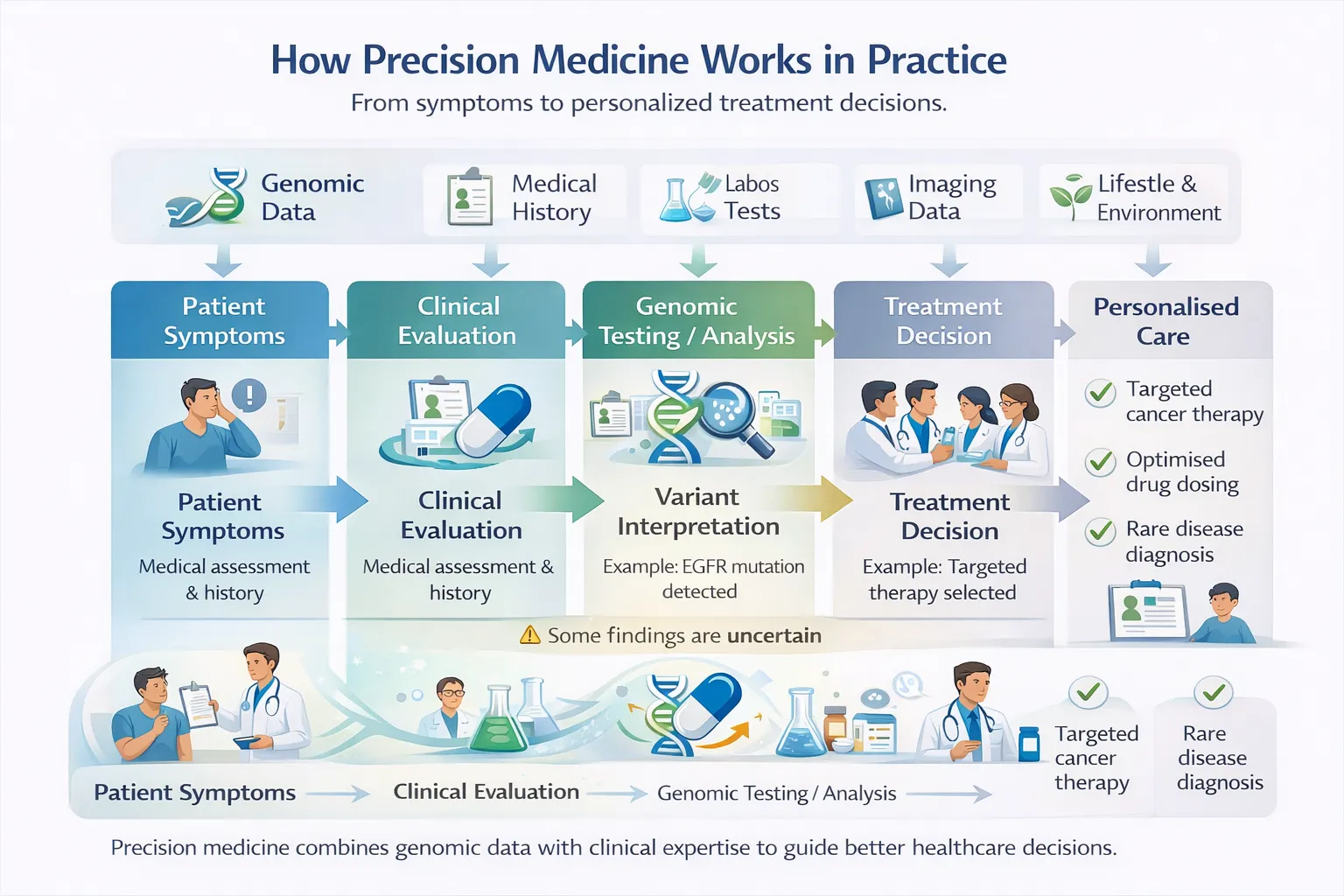
Precision pharmacovigilance has emerged as a next-generation framework designed to address these limitations by integrating pharmacogenomics, real-world evidence, artificial intelligence, and digital health infrastructure into modern drug safety monitoring. Rather than focusing solely on detecting adverse events retrospectively, precision pharmacovigilance aims to proactively identify individuals who possess genetic or molecular predispositions to toxicity before treatment is initiated. This paradigm shift moves pharmacovigilance from population-level surveillance toward predictive, individualized risk management.
The convergence of pharmacogenomics and pharmacovigilance is particularly important in the era of precision medicine. Pharmacogenomics investigates how inherited genetic variation influences drug metabolism, pharmacodynamics, efficacy, and toxicity, while pharmacovigilance provides large-scale real-world monitoring of drug safety across diverse populations. Together, these disciplines create an integrated framework capable of linking mechanistic genomic insights with longitudinal clinical outcomes.
Based on the recent review “Precision pharmacovigilance integrates genomics and real world evidence to overcome drug safety barriers” together with the MDPI review on pharmacogenomics and drug safety, this article explores the scientific foundations, technological infrastructure, clinical applications, implementation challenges, and future directions of precision pharmacovigilance and pharmacogenomics. ([Springer][1])
The Burden of Adverse Drug Reactions
Adverse drug reactions represent a major global public health challenge. Despite extensive preclinical development and clinical trial evaluation, many toxicities only become apparent after medications are introduced into broader and more heterogeneous patient populations. Controlled clinical trials are often limited by relatively small cohort sizes, restricted inclusion criteria, and shorter follow-up durations, making it difficult to fully capture rare, delayed, or population-specific adverse events.
The publications emphasize that ADRs contribute substantially to hospital admissions, prolonged hospitalization, healthcare costs, and mortality. Importantly, considerable inter-individual variability exists in drug response, meaning that the same medication and dosage can produce dramatically different outcomes among patients. Some individuals experience optimal therapeutic benefit, whereas others develop severe toxicity or complete treatment failure. ([Springer][1])
Historically, pharmacovigilance systems have focused on identifying patterns of adverse events after they occur. Large international surveillance networks such as VigiBase and EudraVigilance aggregate adverse event reports from healthcare professionals, pharmaceutical companies, and regulatory agencies to detect emerging safety signals. While highly valuable, these systems primarily identify correlations between drugs and adverse outcomes at the population level and frequently lack mechanistic insight into patient-specific susceptibility. ([Springer][1])
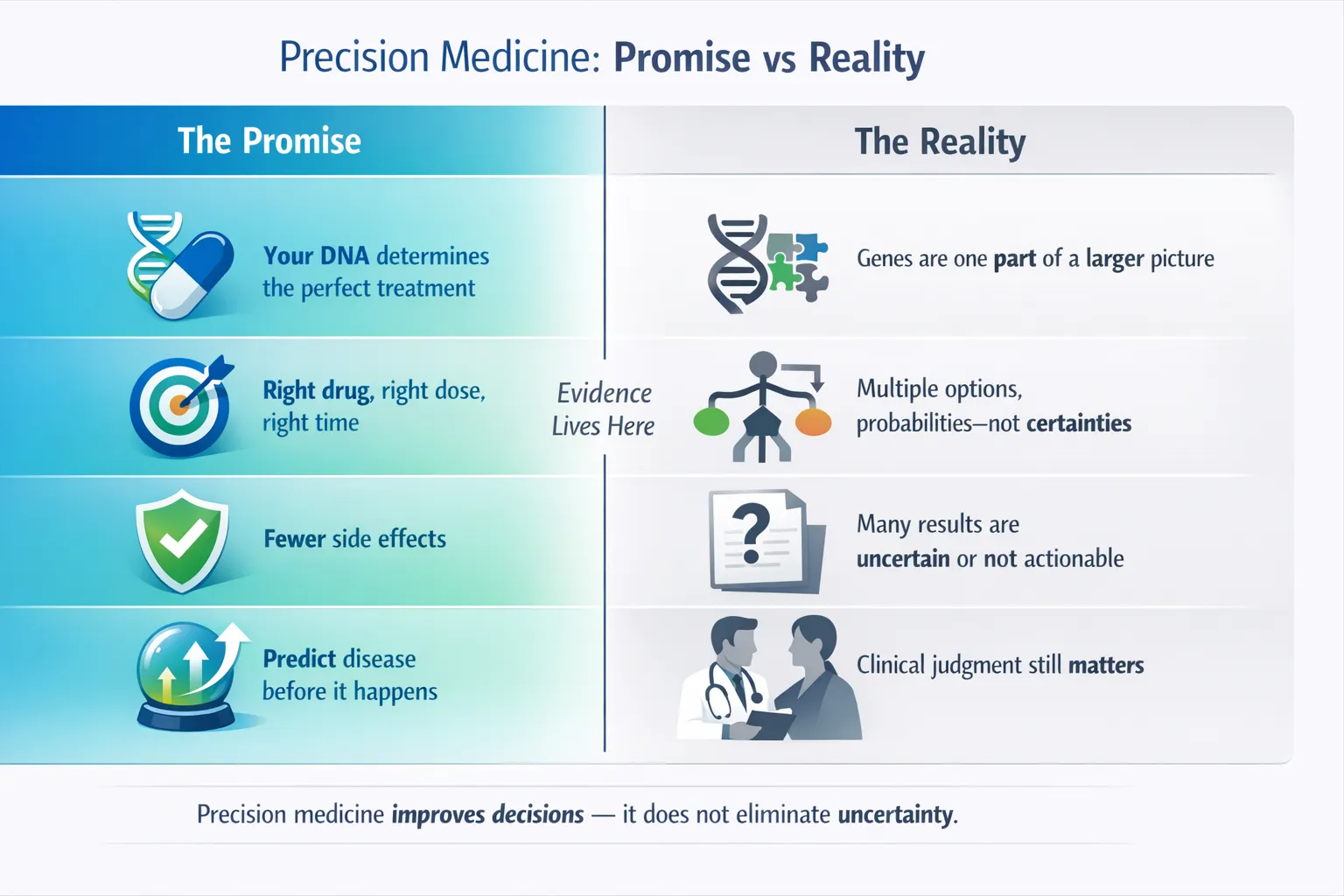
This limitation has become increasingly important as medicine moves toward precision therapeutics, where treatment decisions are expected to account for individual biological variability rather than relying exclusively on population averages.
Pharmacogenomics and the Genetic Basis of Drug Response
Pharmacogenomics forms the mechanistic foundation of precision pharmacovigilance. The discipline examines how inherited genetic variation influences pharmacokinetics, pharmacodynamics, drug transport, immune recognition, and cellular signaling pathways that collectively determine drug efficacy and toxicity.
Many clinically important pharmacogenomic variants occur in genes involved in drug absorption, distribution, metabolism, and elimination. Variants affecting cytochrome P450 enzymes, for example, can substantially alter drug metabolism rates, leading to toxic accumulation or therapeutic failure. Similarly, genetic variation in transporter proteins, immune-related HLA alleles, and receptor signaling pathways may predispose certain individuals to hypersensitivity reactions, cardiotoxicity, hepatotoxicity, or severe cutaneous adverse reactions. ([Springer][1])
The review highlights that pharmacogenomics fundamentally shifts drug safety from reactive observation toward proactive prediction. Instead of waiting for toxicity to emerge, clinicians can identify genetically high-risk patients before treatment initiation and adjust therapeutic strategies accordingly. This may involve selecting alternative medications, modifying dosage, increasing monitoring intensity, or implementing preventive interventions.
One of the most widely cited examples is HLA-B*15:02 screening before carbamazepine therapy in certain Asian populations. This allele is strongly associated with Stevens–Johnson syndrome and toxic epidermal necrolysis, two potentially fatal cutaneous adverse reactions. Implementation of prospective genetic screening programs has dramatically reduced the incidence of these complications by preventing exposure among genetically susceptible individuals. ([Springer][1])
The publications also emphasize that pharmacogenomic information increasingly supports regulatory labeling recommendations and clinical guidelines. Organizations such as the Clinical Pharmacogenetics Implementation Consortium (CPIC) and regulatory agencies including the FDA now provide genotype-guided dosing and therapeutic recommendations for numerous medications across oncology, psychiatry, cardiology, infectious disease, and transplantation medicine. ([MDPI][2])
Precision Pharmacovigilance: A New Paradigm for Drug Safety
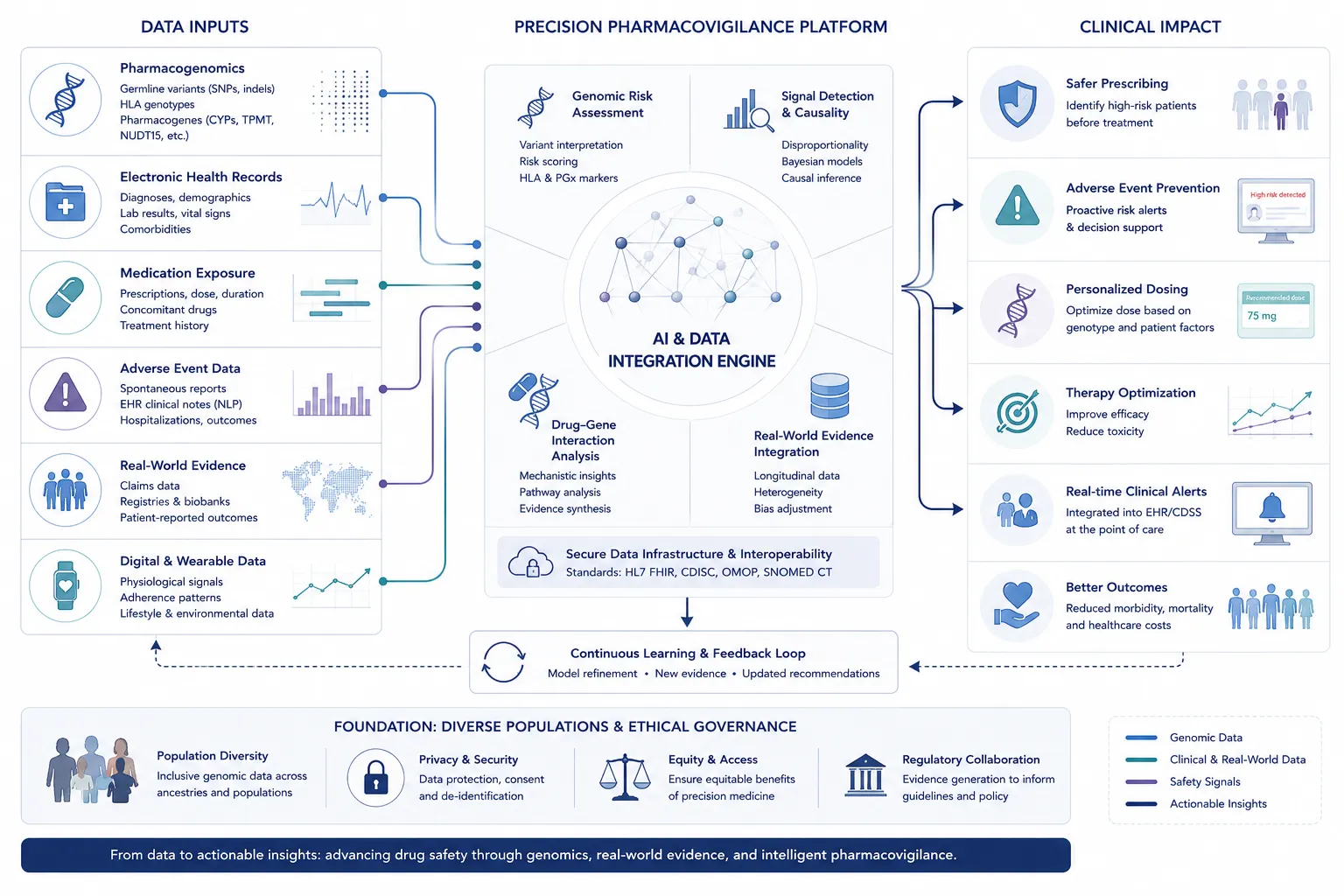
Precision pharmacovigilance represents the integration of pharmacogenomics with traditional pharmacovigilance systems, real-world clinical data, and digital health technologies. The goal is not merely to detect adverse drug reactions, but to predict, prevent, and personalize risk management.
Traditional pharmacovigilance systems excel at identifying population-level safety signals through post-marketing surveillance. However, they are often limited in explaining why toxicity occurs in specific patients or identifying individuals at highest risk. Pharmacogenomics complements this limitation by providing mechanistic insight into genetic susceptibility. ([Springer][1])
The integration of these fields enables a more comprehensive understanding of drug safety by linking:
- genetic predisposition,
- molecular mechanisms,
- longitudinal clinical outcomes,
- real-world treatment exposure,
- and population-scale adverse event data.
This convergence creates a feedback system in which genomic risk factors can be continuously refined using large-scale pharmacovigilance databases and real-world evidence.
The publication describes this shift as a transition from “problem detection” toward “preventive precision safety.” Instead of relying solely on retrospective signal detection, healthcare systems may eventually implement predictive safety models capable of estimating individualized toxicity risk before drug administration. ([Springer][1])
Real-World Evidence and Digital Pharmacovigilance Infrastructure
The development of precision pharmacovigilance depends heavily on real-world evidence and large-scale digital health ecosystems. Electronic health records, genomic databases, insurance claims, biobanks, wearable devices, and patient-reported outcomes collectively generate enormous quantities of clinically relevant data that can support individualized drug safety monitoring.
The publications emphasize that real-world evidence provides several advantages over traditional clinical trials. Real-world datasets capture diverse patient populations with varying ages, ancestries, comorbidities, polypharmacy exposures, and environmental influences that are often underrepresented in controlled studies. This diversity is essential for identifying rare adverse reactions and population-specific pharmacogenomic interactions. ([Springer][1])
Modern pharmacovigilance systems increasingly incorporate:
- longitudinal EHR data,
- genomic testing results,
- prescription histories,
- laboratory values,
- hospitalization records,
- and adverse event reporting systems.
When integrated effectively, these datasets enable dynamic safety surveillance capable of continuously updating risk predictions as new information becomes available.
The review further highlights the growing role of interoperability standards and clinical decision support systems in operationalizing pharmacogenomic safety data at the point of care. Automated alerts embedded within EHR platforms may eventually notify clinicians when high-risk drug-gene interactions are detected, supporting safer prescribing practices in real time. ([Springer][1])
Artificial Intelligence and Advanced Analytics
Artificial intelligence and machine learning are becoming central components of precision pharmacovigilance because of the enormous scale and complexity of modern biomedical datasets. Pharmacovigilance systems generate vast quantities of structured and unstructured data that are difficult to analyze using conventional statistical approaches alone.
AI-driven approaches can support:
- adverse event signal detection,
- toxicity prediction,
- duplicate report identification,
- causal inference,
- drug-drug interaction analysis,
- and genomic risk stratification.
The integration of machine learning with pharmacogenomic data is particularly promising because genetic risk often emerges through complex interactions among multiple variants, medications, environmental exposures, and comorbidities. Advanced computational models may identify subtle nonlinear relationships that are difficult to detect through traditional pharmacovigilance methods. ([Springer][1])
Natural language processing also plays an increasingly important role in extracting adverse event information from clinical notes, literature, patient forums, and multilingual social media datasets. These methods may improve early detection of rare or underreported toxicities. ([arXiv][3])
However, the publications caution that AI implementation in pharmacovigilance requires careful attention to data quality, interpretability, algorithmic bias, and regulatory oversight. Predictive systems used in clinical safety decision-making must be transparent, reproducible, and rigorously validated across diverse populations before widespread adoption. ([Springer][1])
Clinical Applications of Precision Pharmacovigilance
The clinical impact of precision pharmacovigilance is already evident across multiple therapeutic domains.
Oncology
Cancer therapeutics frequently exhibit narrow therapeutic windows and substantial inter-patient variability in toxicity. Pharmacogenomic testing can identify patients at increased risk for severe chemotherapy-related adverse effects and guide dose optimization or therapeutic selection. The integration of genomic data with longitudinal safety monitoring is becoming increasingly important as oncology moves toward highly individualized treatment strategies.
Cardiology
Several cardiovascular medications exhibit clinically important pharmacogenomic interactions. Genetic variation affecting drug metabolism and platelet inhibition can significantly influence therapeutic efficacy and bleeding risk. Precision pharmacovigilance frameworks may improve individualized cardiovascular risk management while minimizing preventable adverse events.
Psychiatry
Psychiatric medications frequently demonstrate highly variable efficacy and tolerability profiles. Pharmacogenomic testing of CYP450 enzymes may help explain differences in antidepressant and antipsychotic metabolism, potentially reducing adverse reactions and improving treatment adherence.
Infectious Disease and Immunology
HLA-associated hypersensitivity reactions remain among the clearest examples of clinically actionable pharmacogenomics. Prospective genetic screening for specific HLA variants has substantially reduced life-threatening immune-mediated toxicities associated with certain antiviral and anticonvulsant therapies. ([Springer][1])
Barriers to Clinical Implementation
Despite substantial progress, several barriers continue to limit widespread implementation of precision pharmacovigilance and pharmacogenomics.
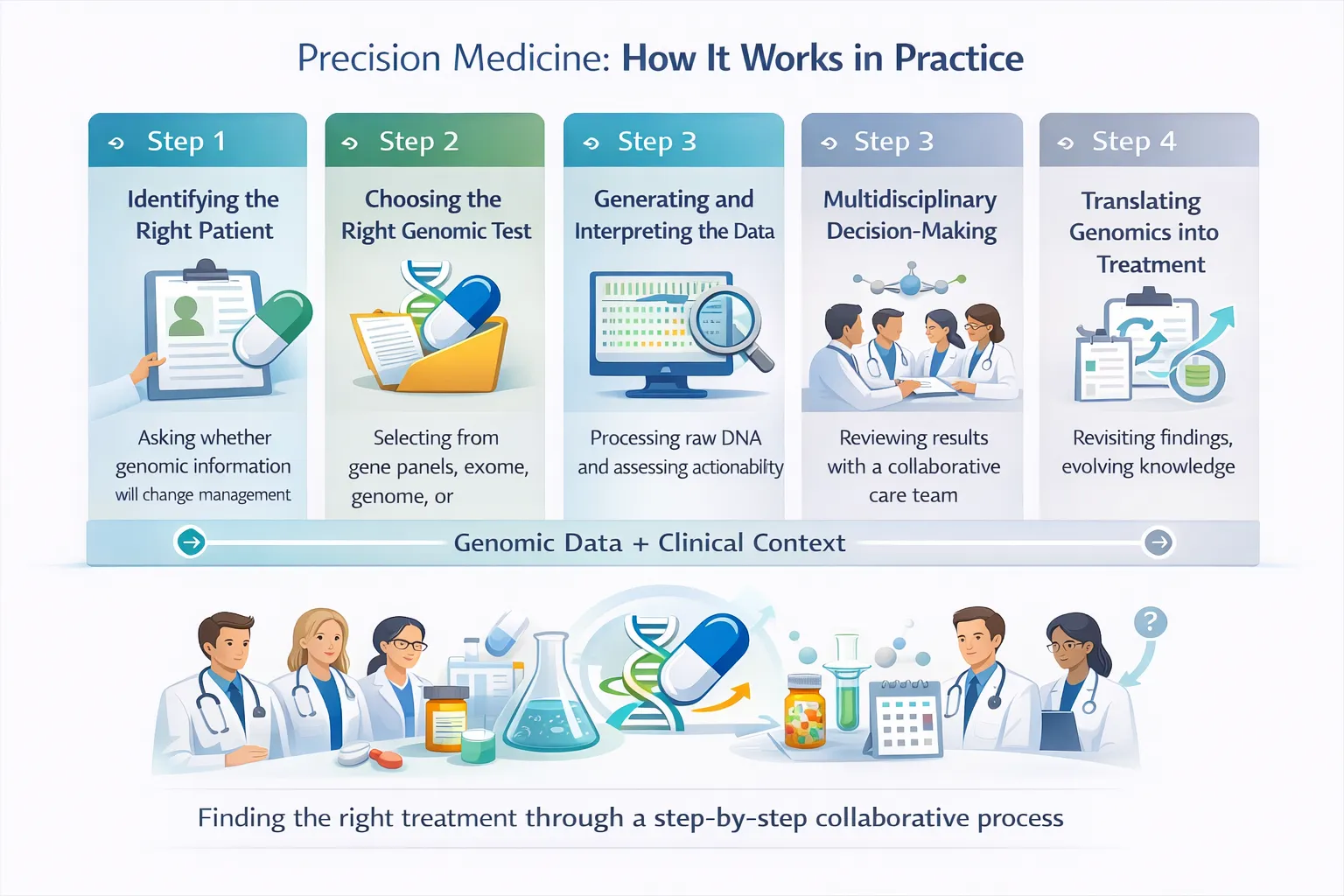
One major challenge is the limited availability of genomic testing infrastructure in routine clinical practice. Although sequencing costs have decreased dramatically, many healthcare systems still lack standardized workflows for genomic integration, clinical interpretation, reimbursement, and provider education.
The publications also highlight concerns regarding data interoperability and harmonization. Pharmacovigilance databases, genomic repositories, EHR systems, and regulatory reporting platforms often use incompatible standards, limiting efficient integration and large-scale analytics. ([Springer][1])
Population diversity represents another important limitation. Many pharmacogenomic studies have historically focused on populations of European ancestry, potentially reducing the accuracy and generalizability of genomic risk prediction in underrepresented groups. Expanding diversity in genomic research is therefore essential for equitable precision medicine implementation.
Ethical and regulatory concerns also remain significant. The integration of genomic information into pharmacovigilance systems raises important questions surrounding privacy, informed consent, data governance, algorithmic transparency, and equitable access to precision medicine technologies.
Future Directions
The publications suggest that precision pharmacovigilance is likely to become increasingly integrated into routine healthcare over the coming decade. Several technological and scientific developments are expected to accelerate this transition.
Preemptive pharmacogenomic testing may become more common as genomic sequencing becomes increasingly affordable and clinically actionable. Instead of ordering genetic tests reactively after toxicity occurs, healthcare systems may eventually maintain longitudinal genomic profiles that support lifelong medication optimization. ([Nature][4])
The expansion of real-world evidence platforms and biobanks linked to electronic health records will further strengthen the ability to identify rare adverse events and refine predictive safety models across large populations.
Artificial intelligence is also expected to play a progressively larger role in integrating genomic, clinical, and pharmacovigilance data into dynamic risk prediction systems capable of continuously learning from real-world outcomes.
Ultimately, the convergence of pharmacogenomics, pharmacovigilance, AI, and digital medicine may transform drug safety from a reactive surveillance activity into a predictive and preventive discipline centered on individualized patient care.
Conclusion
Precision pharmacovigilance represents a major evolution in drug safety science. By integrating pharmacogenomics with real-world evidence, electronic health records, artificial intelligence, and modern pharmacovigilance infrastructure, healthcare systems can move beyond population-level adverse event detection toward proactive and individualized risk prevention.
The publications reviewed here demonstrate that genetic variability plays a central role in determining therapeutic efficacy and susceptibility to adverse drug reactions. Incorporating this genomic information into pharmacovigilance frameworks enables more precise prediction of toxicity risk, safer prescribing practices, and increasingly personalized therapeutic strategies.
Although substantial challenges remain in data integration, infrastructure development, population diversity, and clinical implementation, precision pharmacovigilance is rapidly emerging as a foundational component of precision medicine. As genomic medicine becomes increasingly integrated into healthcare systems worldwide, individualized drug safety management may become an essential pillar of next-generation patient care.
Explore related insights
- Multi-omics Applications in Human Diseases
- Genomics-EHR Integration: Using HL7 FHIR and Other Standards
- AI for Multi-Omics and EHR Data: Modality-Specific Learning
- Cross-Modality Integration in Precision Medicine
- Deep Learning for Multi-Omics Data Integration